気
SPIRIT (KI) — HUMAN INTENT & RIGHT TO CORRECT
The user’s intent and their ability to intervene must be present. Without a real, immediate right to edit, override, or regenerate the output, trust collapses the moment the model is wrong.

“The hardest thing to design is not the interface. It is the relationship between a person and a system they cannot fully predict.”
Every product decision changes someone's life. Not metaphorically — a failed feature is someone's job harder, someone's trust broken, or people losing work. That weight has never been separate from the work for me.
In 2017, at Brazil's Federal Court of Accounts, I watched a skeptical senior director read an AI-generated draft of a quasi-legal document twice — then blush — before saying it would turn months of work into hours. The platform reduced instruction-writing time by 63%. What stayed with me was the moment: how a guarded expert decided the output was reliable enough to act on, without being asked to take it on faith.
That question has organised my career: how do you design the relationship between a person and a system they cannot fully verify? I have ADHD. My brain does not move in linear steps; it pulls analogies across Kendo, audit bureaucracy, behavioral economics, and GenUI by default. That is not a technique I learned — it is how my mind operates. Empathy and the drive to earn genuine trust are not values I added to my practice. They are the Kihon I drill every day. 13 years on the craft. I turn non-deterministic systems into experiences people can rely on.
I design the layer where people decide whether they can rely on an intelligent system. Not by adding trust signals at the end, but by reshaping the inputs the model sees upstream and giving users a real, immediate right to correct what comes out.
When behavior is probabilistic and generated at runtime, the interface's real work happens in the uncertain states. I design for partial results, low confidence, and outright failure first — because that is where users either learn the system is worthy of trust or learn never to trust it again.
I don't invent patterns for new problems. I find the ones users already know from the rest of their lives and map them onto the AI interaction. The same input-shaping logic that made a 2017 government audit system reviewable by skeptical directors is the logic I use on LLM interfaces today. Users don't live in your product.
Trust only counts if it ships. I work in sketches and high-fidelity prototypes in TypeScript and React, and I stay through implementation and production review. The mechanisms I design are only real once they survive actual users and actual engineers.
Visual pattern-finding is the hub. From there I run deep detective immersion into the data and the user’s actual situation, draw analogical connections across domains (Jacob’s Law), do philosophical framing, and stress-test ideas through team debate. The goal is to isolate the actual uncertainty the user cannot resolve on their own — before any interface is drawn.
With the real problem clarified, I focus on the two layers that actually produce trust in non-deterministic systems:
“I earn AI trust at two layers: I reshape the inputs the model sees so its outputs are more predictable, and I give users the right to correct what it produces.”
A viable product in uncertain systems requires three vectors to land together. In Kendo this is called ki-ken-tai-ichi — spirit, sword, and body as one. A strike only counts when intent, action, and form arrive in the same instant. I have trained to second dan for seven years. This is not a borrowed metaphor. It is a principle I have drilled physically, and it shapes how I design the relationship between a person and a system they cannot fully predict.
The user’s intent and their ability to intervene must be present. Without a real, immediate right to edit, override, or regenerate the output, trust collapses the moment the model is wrong.
The system’s working must be made visible as it happens — streaming states, citations, reasoning traces, and generative components forming in real time — so people can follow what the system is actually doing instead of having to guess.
Clean, structured inputs are the foundation. At the 2017 TCU audit platform, dozens of inconsistent legacy templates were consolidated into one patterned system so the model could read them reliably. Structured inputs produce outputs worth correcting.
Beyond the numbers: strategic prototypes that changed company direction, internal AI tools that accelerated team velocity, and consistent mentorship that raised the floor of entire design teams.
 Figma
Figma Framer
 Webflow
 React & TypeScript
 Claude Code
 Cursor
 Grok
Grok Gemini
 OpenAI
 Perplexity
 GitHub
I reject linear design processes. The understanding of the user’s problem and the structure of the technical solution co-evolve. Visual pattern-finding sits at the center. Two tracks run in parallel: reshaping inputs for predictability, making the system’s behavior legible, and giving the human an immediate right to correct.
Empathy and the drive to earn genuine trust are not values I added to my practice. They are the foundation it is built on. Everything else — the input architecture, the behavioral translation, the code proximity — comes after that. These are drilled fundamentals, not poster slogans.
The states where the model is uncertain, partial, or wrong are not edge cases. They are where lasting trust (or lasting distrust) is formed. I design those states first.
I build high-fidelity interactive prototypes in HTML, CSS, TypeScript, and React. I stay through implementation and review production against intent. Static frames over the wall are not how trust ships.
Only I turn non-deterministic systems into experiences people can rely on — because my brain works as an outlier by default. I have ADHD. I do not think in linear steps or follow methodologies. I think in analogies and visual patterns. My cognition pulls connections across domains that others treat as unrelated — Kendo, behavioral economics, semiotics, audit bureaucracy, GenUI. That is not a technique I learned; it is how my mind operates. I craft with care and time. I am held accountable for everything that ships. 13 years on the craft. Kihon. Excellence in the fundamentals, drilled until they become instinct.
“A strong balance between design expertise and development collaboration… works effectively with engineering teams to ensure smooth implementation… willingness to challenge conventional approaches.”
“Thinks outside the box while keeping focus on what’s most important… a fresh take over already established conventions.”
“An inspiring leader and an incredible mentor… working alongside someone as talented and dedicated as Daniel left a positive mark on my professional development.”

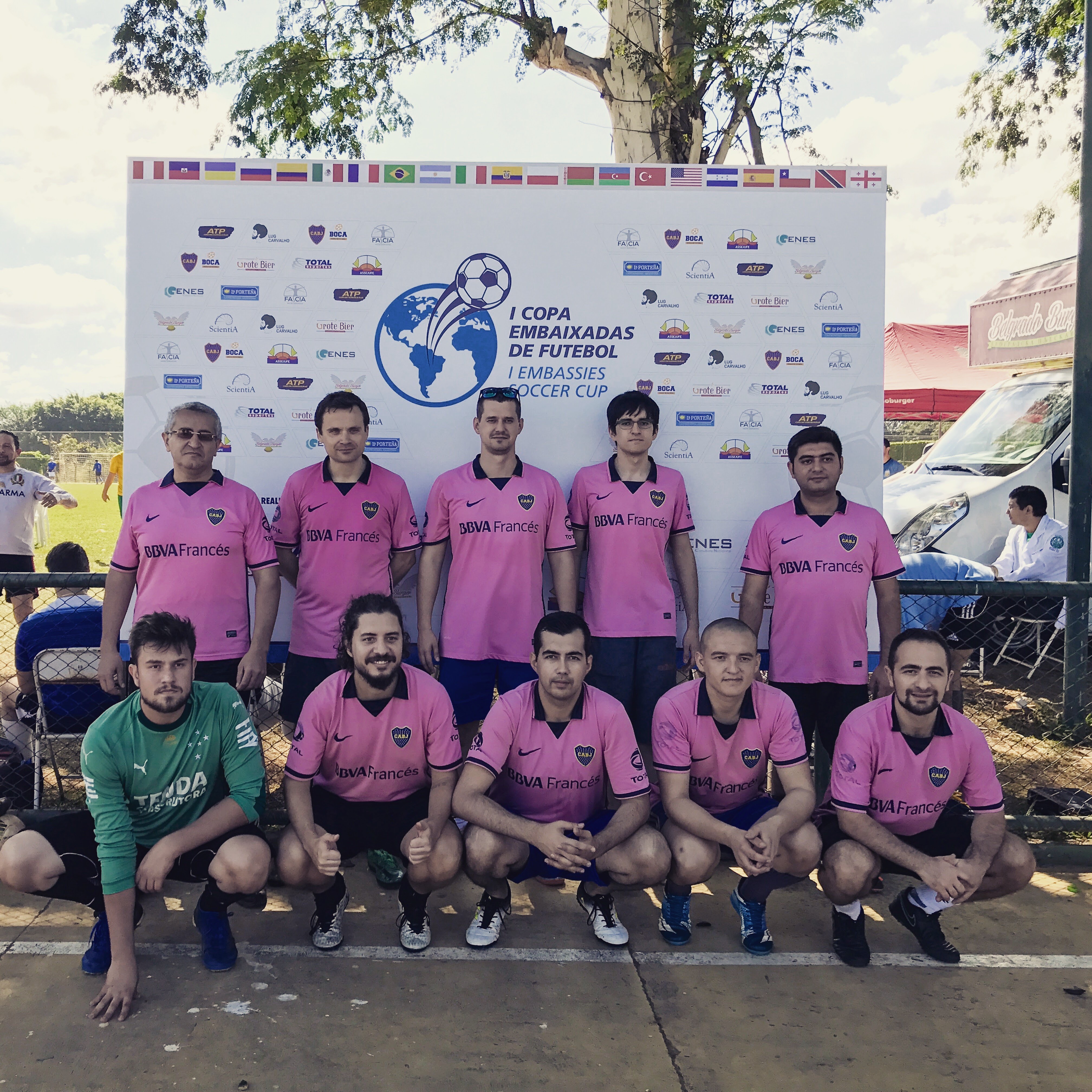


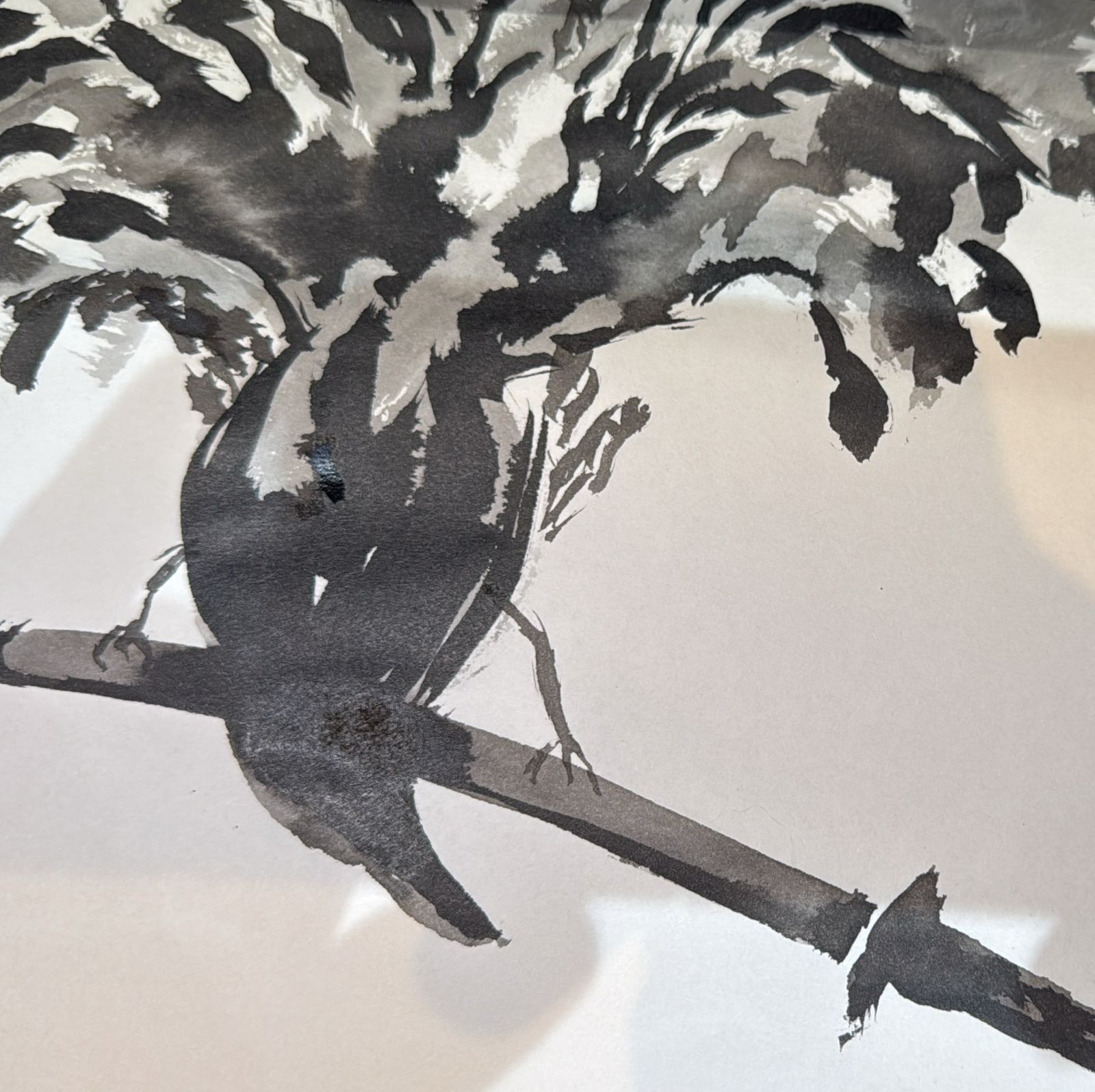
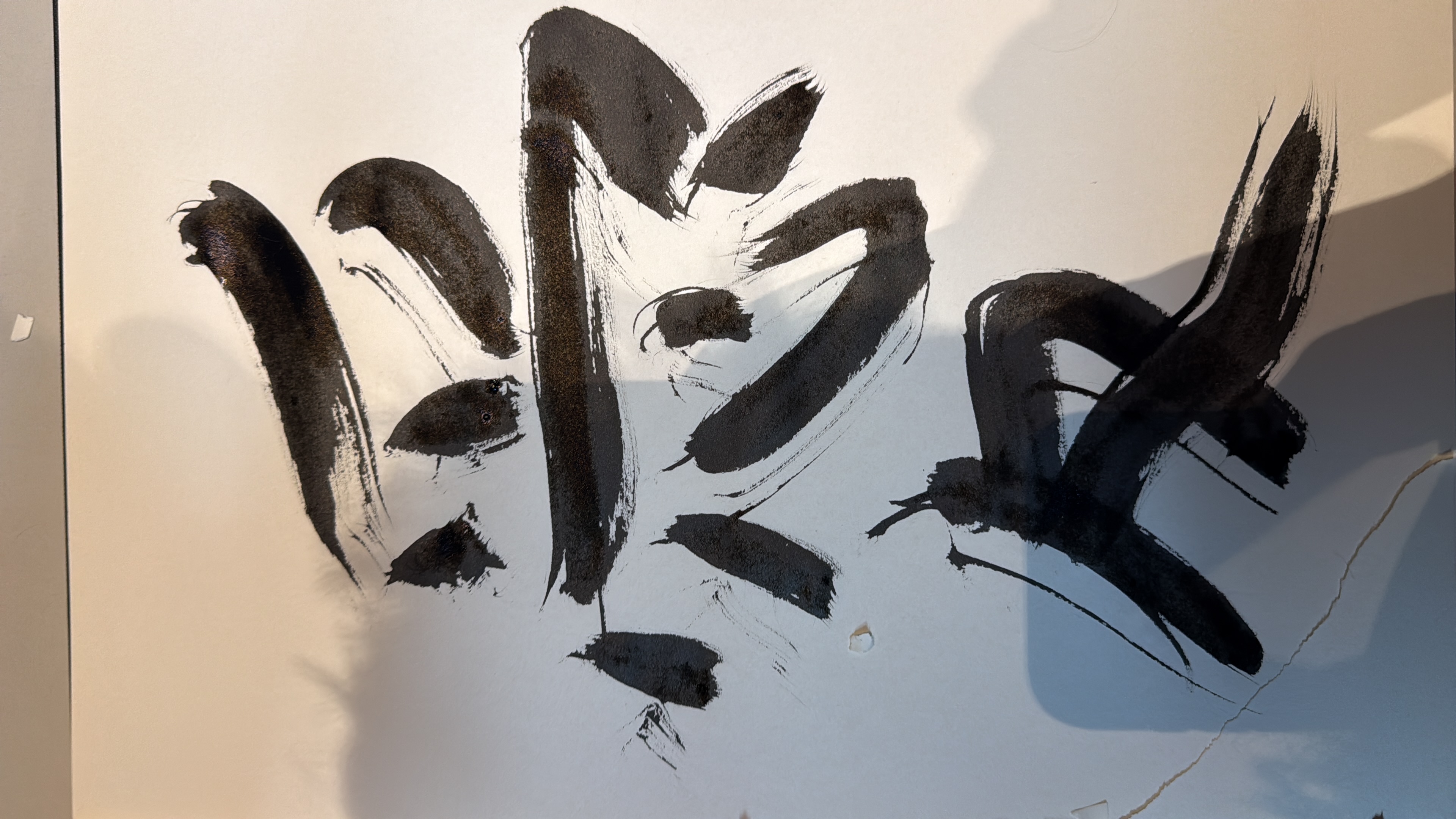
I'm currently open to senior product design and design-lead roles at growth-stage companies building AI-native products where the quality of the interaction layer is a real constraint, not an afterthought. If you're working on systems where people have to act on outputs they cannot fully verify, and you care about the craft of making those systems legible, correctable, and worthy of trust — I'd like to hear about it.